Charleston HVAC Mold Inspection: Why AC Condensation Lines Backup and Create Wall Mold Spores
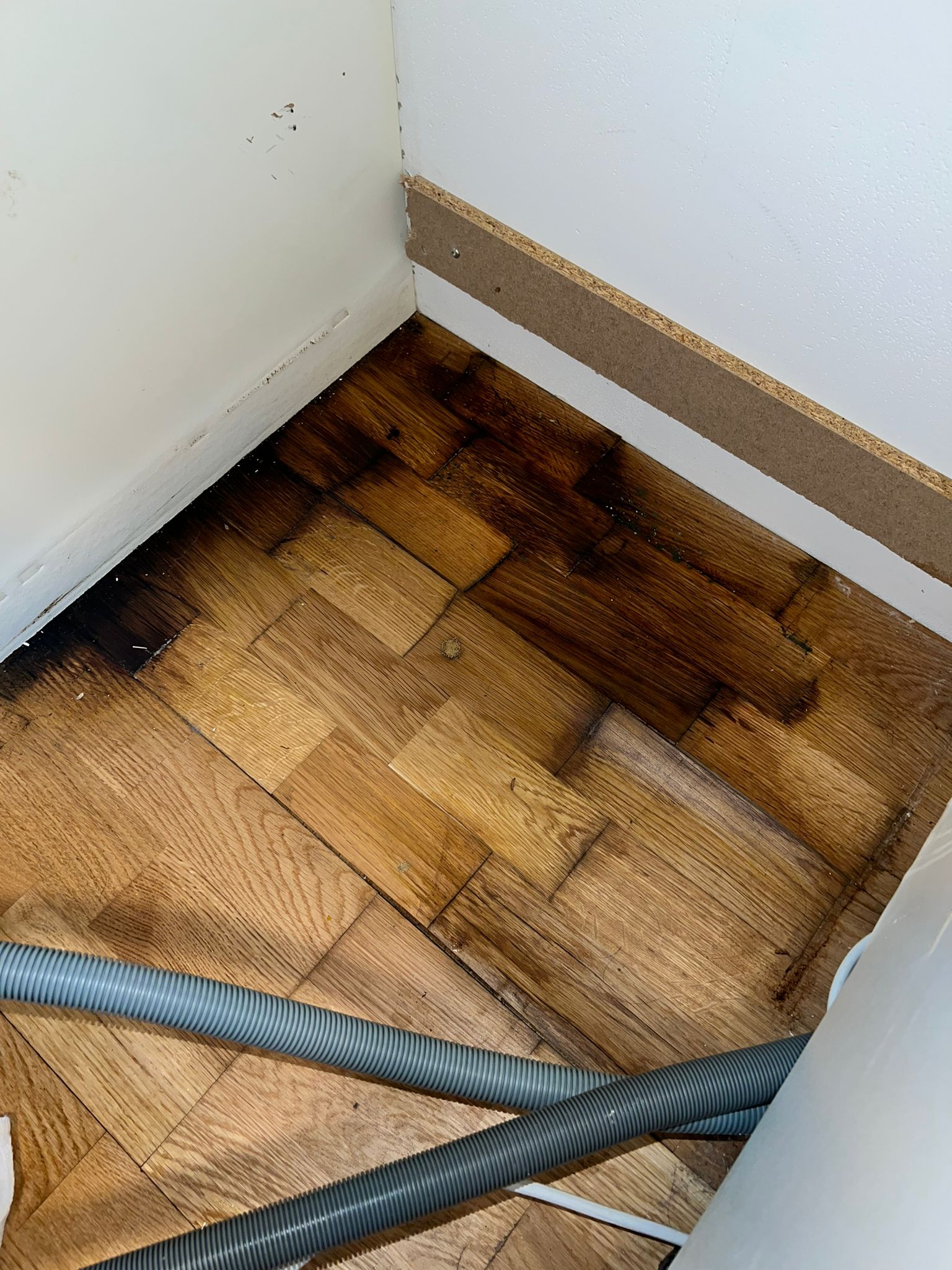
High summer humidity in Charleston, SC pairs with modern, space‑saving HVAC closets to create a perfect setup for hidden mold. When a condensate drain line clogs, water can overflow into walls and framing, feeding a colony long before any dark spots appear. If you suspect this in your home, our air quality investigation helps pinpoint where moisture collects and how spores are moving through the system.
Why Coastal Humidity and Modern HVAC Create Mold Risks
Charleston sits in a warm, wet climate where dew points hover high for much of the year. HVAC systems are great at cooling air, but the moisture they pull out has to go somewhere. That is the job of the condensate drain. In downtown condos and West Ashley townhomes, air handlers often live in tight utility closets with poor airflow. Trapped heat surrounds the cabinet. Surfaces sweat. Insulation can get damp. Add a slow drain and you have the start of a hidden mold problem.
How a Clogged Condensate Drain Soaks Drywall From the Inside
During cooling, warm return air hits cold evaporator coils and water forms. That water should flow through a trap and out of the home. When slime, dust, or rust narrows the trap, water backs up. The overflow first fills the secondary pan, then spills over the rim into the floor cavity. In many Charleston homes the air handler sits on a platform against an interior wall. Overflow then wicks into drywall and base trim. Behind the paint film, paper facings stay damp and dark. That becomes a sheltered food source for spores that multiply out of sight.
Early Diagnostic Signs in Charleston Homes
Hidden growth often gives itself away if you know where to look and what to notice. Homeowners around the peninsula and West Ashley report these clues most often:
- Faint tea‑colored water rings or soft drywall near the air handler platform
- Small bubbles in baseboard paint beside the HVAC closet
- A metallic, slightly sour smell when the cooling cycle first kicks on
- Condensation beading on supply vents after a long off cycle
- Short cycling followed by a fresh puddle in the auxiliary pan
Pay attention to any new ceiling stain below a vertical air handler in an upstairs hall. That may be overflow following a framing path before it shows up on the surface.
Local insight: In many Charleston renovations, utility closets were tightened to gain living space. Reduced airflow traps heat around the air handler, so even a small drain slowdown can tip the balance toward sweating and leaks. If you hear sloshing in the cabinet during a cycle, shut the system off and call GLS Engineering & Testing.
Why Utility Closets in Downtown and West Ashley Are High Risk
Older homes downtown and dense builds in West Ashley often place the air handler in a narrow closet sharing space with a water heater or storage. Doors get weather‑stripped to cut noise. That quiets the unit but also traps stagnant heat. The hotter that closet gets, the more condensation forms on cold metal. Insulation around suction lines can stay wet. Dust plus moisture equals film that clogs the trap. Once the drain slows, overflow into adjacent framing is likely, especially where drywall meets the unit platform.
Hidden Wall Mold and Airflow: How Spores Spread Through Vents
Once mold takes hold in a damp wall cavity, normal HVAC airflow can pick up spores. Supply air passing over a cool, moist grille lets spores stick to the metal and colonize the paint film. That is why you may notice mold around air vents after a week of muggy weather. The growth on the vent is a symptom, not the source. The hidden reservoir is often the wet drywall behind or below the air handler.
To understand how building moisture and indoor air quality connect, explore this primer on mold and indoor air quality. It shows how trapped humidity inside a home can shift airflows and raise risk for sensitive occupants.
What a Professional Air Quality Investigation Covers
A skilled investigator examines how your home breathes, how the system drains, and where moisture lingers. With GLS Engineering & Testing, you get a building‑wide view, not a quick swab. Our investigation typically includes:
- Survey of the HVAC closet, drain trap geometry, and auxiliary pan condition
- Thermal imaging along the air handler platform and shared walls
- Moisture mapping of baseboards, toe‑kicks, and adjacent drywall
- Vent and grille assessment for condensate drip patterns and dust loading
- Airflow and pressure checks that reveal stagnant zones
When we confirm a pattern consistent with drain backup and wall wetting, we document it clearly so you can decide next steps with confidence. Learn how an indoor air quality investigation guides both diagnosis and remediation planning without guesswork.
AC Drain Line Backup Mold: The Mechanics In Plain English
A condensate drain needs a clean trap and a steady tilt toward the outlet. In tight closets, installers may snake the line around studs or lift it over a baseboard notch. Any high spot becomes a mini dam where biofilm can grow. Over time, that dam narrows the path and the line gurgles. On peak humidity days, the coil sheds more water than the half‑blocked line can handle. The pan overflows. Capillary action wicks moisture up drywall paper and into sill plates. The wall cavity then stays humid even after the surface looks dry. That is why a sour, metallic smell often arrives before any obvious stain.
Mold Around Air Vents: Symptom of a Bigger Charleston AC Moisture Problem
Homeowners often wipe the vent and think the problem is solved. The spot comes back because the source is still wet. In our climate, vent metal can fall below dew point on start‑up. If room air is heavy with spores from a damp wall cavity, the grille becomes a landing pad. Clean vents help appearance, but the real fix starts with locating and drying the hidden moisture reservoir. Do not disturb visible growth without containment since that can release more spores into the room.
When You Need Mold Inspection vs. Mold Testing
Many people ask for “testing” first. In homes with suspected overflow into walls, the priority is a targeted mold inspection that traces moisture travel paths. Testing can support findings, but the most important step is confirming where water went and how far it spread. Once we map that out, you and your contractor can decide the right path to remove damaged materials and correct the conditions that allowed growth.
Real‑World Signals Charleston Homeowners Report
Clients across downtown, West Ashley, and James Island describe similar patterns before we find hidden wall colonies:
Watch for these pairs of clues that often show up together:
- New streak on a hallway vent plus a damp, musty HVAC closet
- Auxiliary pan with standing water plus a tacky, slimy feel inside the drain trap
- Hardwood cupping near the air handler plus a faint ring at the baseboard seam
These pairs suggest moisture is not isolated to the pan. They hint at a drain restriction and migration into nearby materials.
How GLS Engineering & Testing Protects Your Home’s Air
Every Charleston house is different. Construction era, closet size, and duct layout all shape risk. Our team looks at the house as a system so you do not waste time on guesses. If your goal is cleaner, safer indoor air, start with a comprehensive evaluation that ties symptoms together. This is the core of our air quality solutions, performed by seasoned investigators who know coastal buildings.
Next Steps If You See Signs of Overflow
If you notice new water stains or that telltale sour odor at start‑up, it is time to act. The primary goal is protecting your family and structure. Schedule a full evaluation with GLS Engineering & Testing so we can trace moisture movement and outline a plan that matches your home. For fast help, call 843-881-4803. You can also learn more about services starting at our Charleston HVAC mold inspection hub.
Ready To Safeguard Your Home’s Air In Charleston, SC
Hidden wall mold from a backed‑up condensate line is a building problem, not just a stain. It forms where high humidity, tight closets, and a struggling drain meet. If that sounds like your home, the safest move is a professional assessment that follows the water and the air. Reach out to GLS Engineering & Testing to schedule a visit or to talk through what you are seeing. Start with an indoor air quality investigation so you get clear answers and a roadmap to a healthier home.
Contact Us Today For Investigation & Mold Testing In Charleston & The Surrounding Areas!